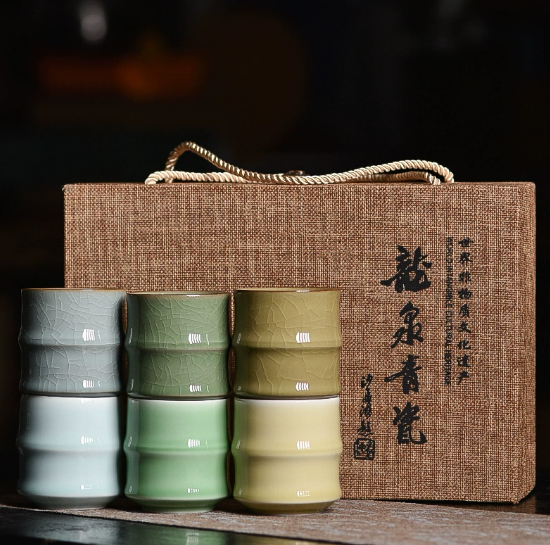
Material Science: Why High-White Porcelain Ensures Flavor NeutralityChemical inertness and zero leaching preserve volatile aromatics and delicate tea profilesPorcelain tea bowls made from high quality white clay help preserve the true taste of tea be...
VIEW MORE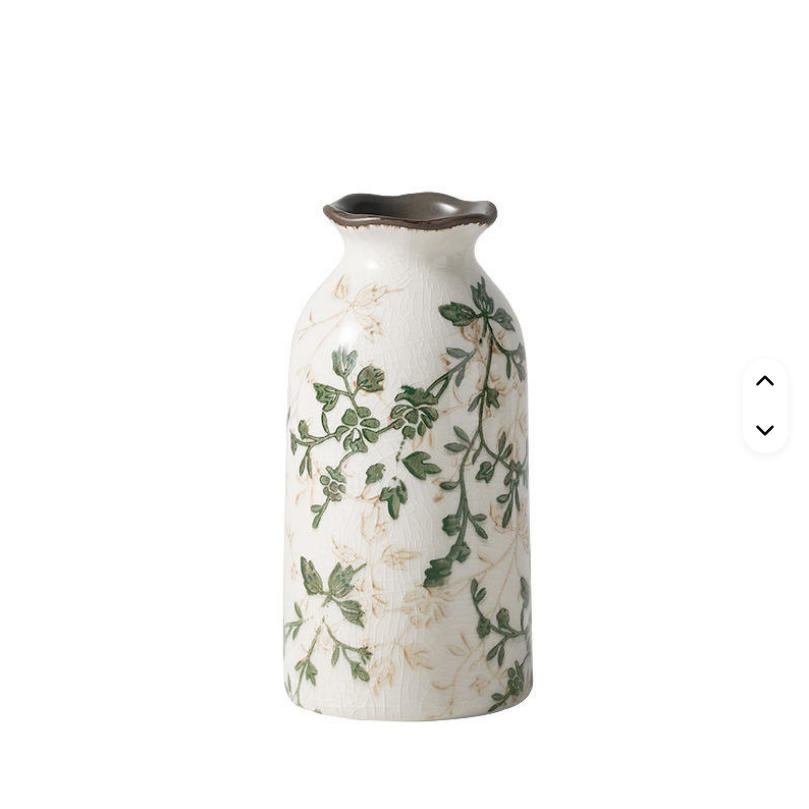
Understanding the Role of a Decorative Vase in Living Room Aesthetics The Significance of Decorative Vases in Enhancing Living Room Ambiance Decorative vases serve dual purposes they hold stuff but also act as art pieces that really make a room pop ...
VIEW MORE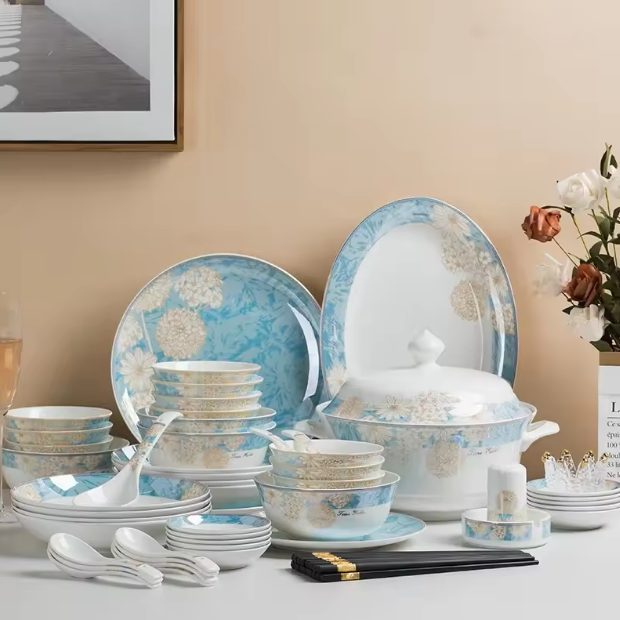
The Unique Composition and Craftsmanship Behind Bone China Dinnerware The Role of Bone Ash in Translucency, Strength, and Delicacy What makes bone china so elegant? Well, it all comes down to what goes into making it. Around a third of the mix is a...
VIEW MORE
Material Composition and Flavor Neutrality of Porcelain What makes porcelain so good at keeping tea flavors intact starts with how it's made. The material is basically a mix of kaolin clay, quartz, and feldspar that gets heated up to around 1,300 to ...
VIEW MORE
Blending Utility and Aesthetics: Ceramic Dinnerware in Contemporary Homes Interior design these days is all about finding things that work well but also look great, and this is exactly where hand painted ceramic dinner sets shine. Mass produced pla...
VIEW MORE
The Science Behind Microwave-Safe Ceramic Materials Coffee mugs made from ceramic that's safe for microwaves are designed with safety in mind. They have non porous surfaces, no metal bits, and chemicals that stay put when heated. When good quality ...
VIEW MORE
Bone China vs Porcelain Composition: Key Differences in Raw Materials Bone china and porcelain share ceramic origins but diverge fundamentally in composition. Bone china integrates 30–45% calcined animal bone ash into its base mix of kaolin c...
VIEW MORE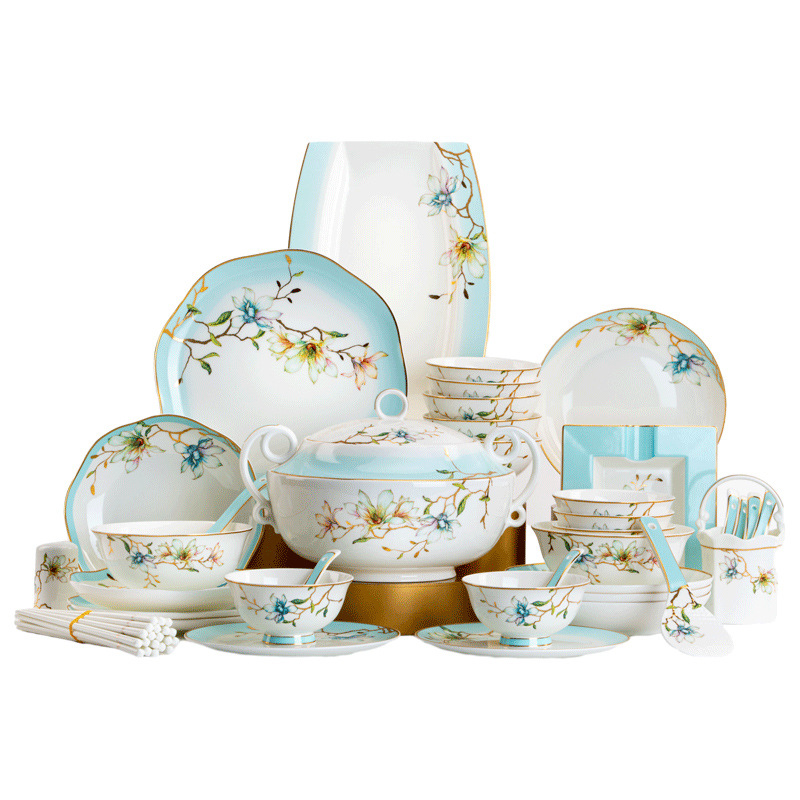
Why Bone China Requires Special Care Despite looking fragile, bone china is actually quite strong, though it still needs gentle treatment because of how it's made. What makes this porcelain special is the addition of around 25% bone ash which gives ...
VIEW MORE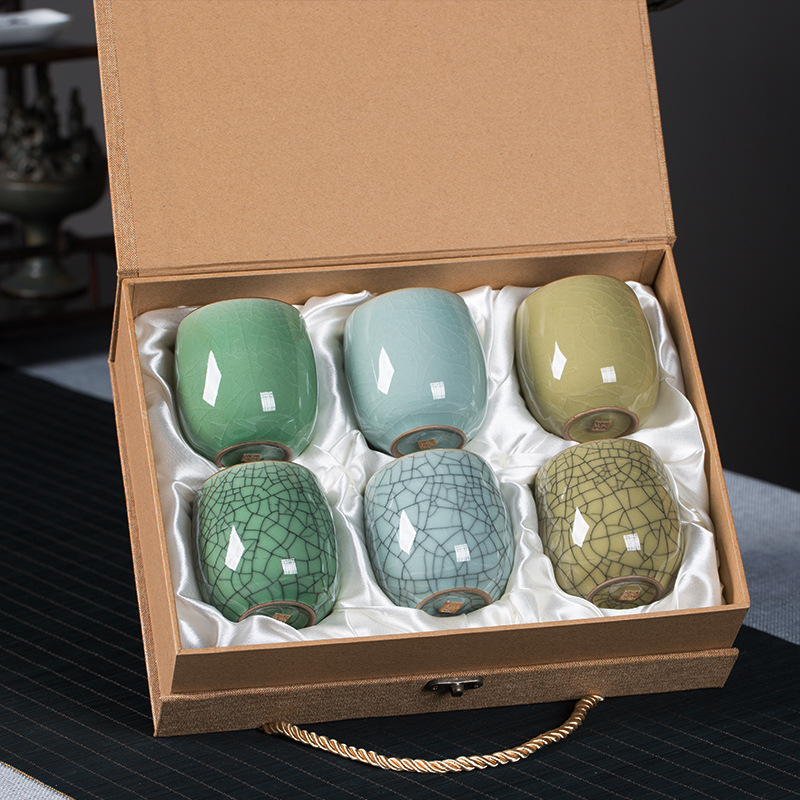
How Tea Bowl Material Influences Visual Tea Color Appreciation The Relationship Between Tea Bowl Material and Sensory Experience The material used for tea bowls actually changes our perception of tea colors because it affects both how light passes t...
VIEW MORE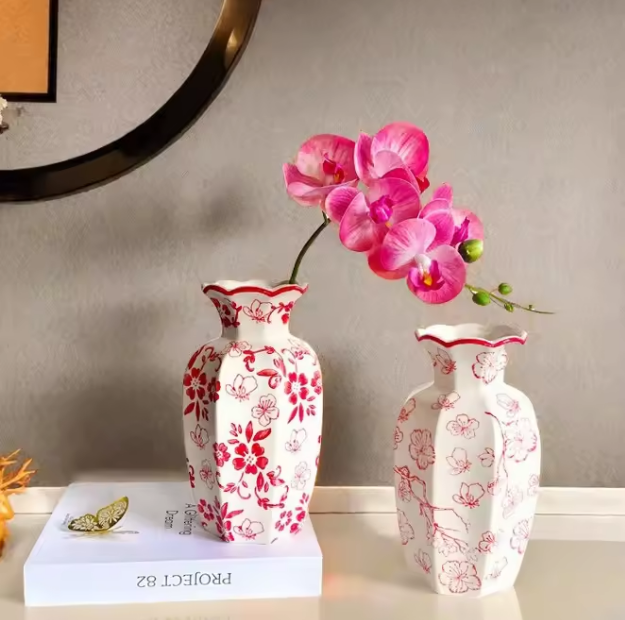
Evaluating Material Quality and Clay Purity in Porcelain Vases When assessing a porcelain vase's craftsmanship, material quality is the cornerstone of evaluation. Premium porcelain derives its strength and delicacy from the meticulous selection and p...
VIEW MORE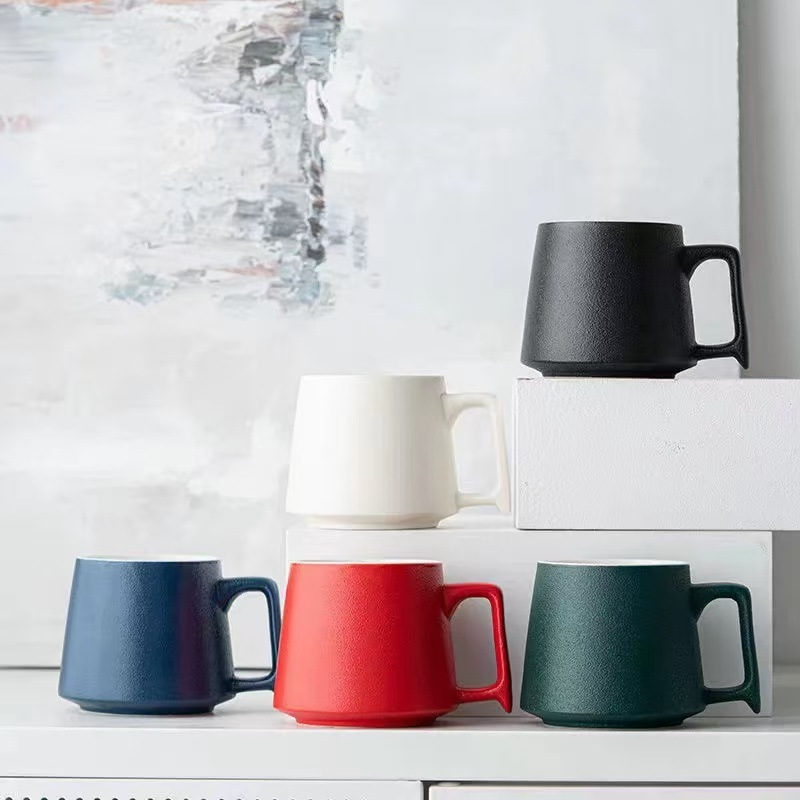
Understanding the Differences Between Ceramic and Stoneware Coffee Sets Defining Ceramic and Stoneware in the Context of Coffee Sets Ceramic refers to all clay-based tableware, while stoneware is a durable subtype fired at higher temperatures. Stan...
VIEW MORE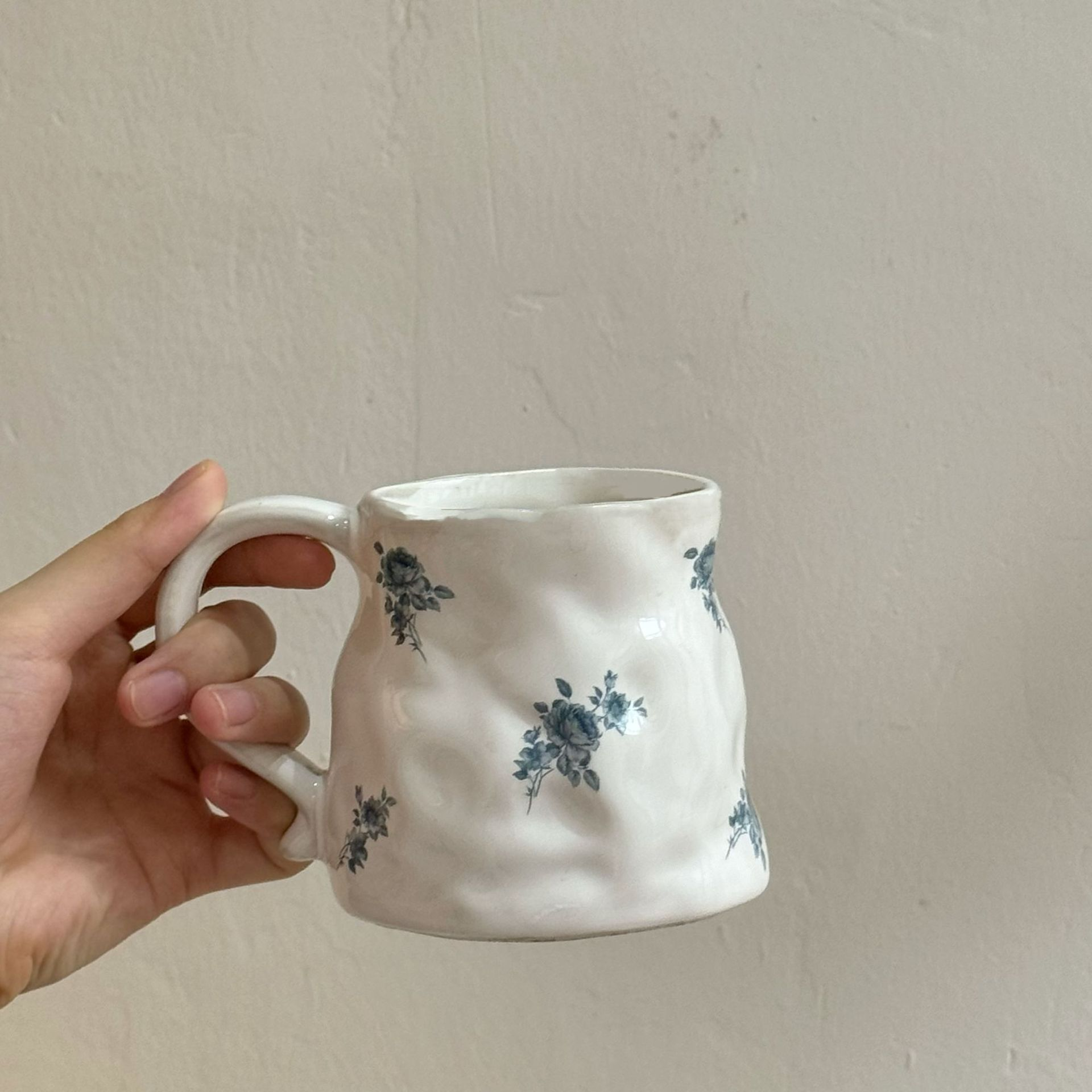
How Porcelain Enhances the Sensory Experience of Espresso The Science Behind Porcelain's Impact on Taste and Aroma Perception The low thermal conductivity of porcelain helps distribute heat evenly across the cup, keeping espresso at its perfect serv...
VIEW MORE EN
EN