 EN
EN
Why Bone China Requires Special Care
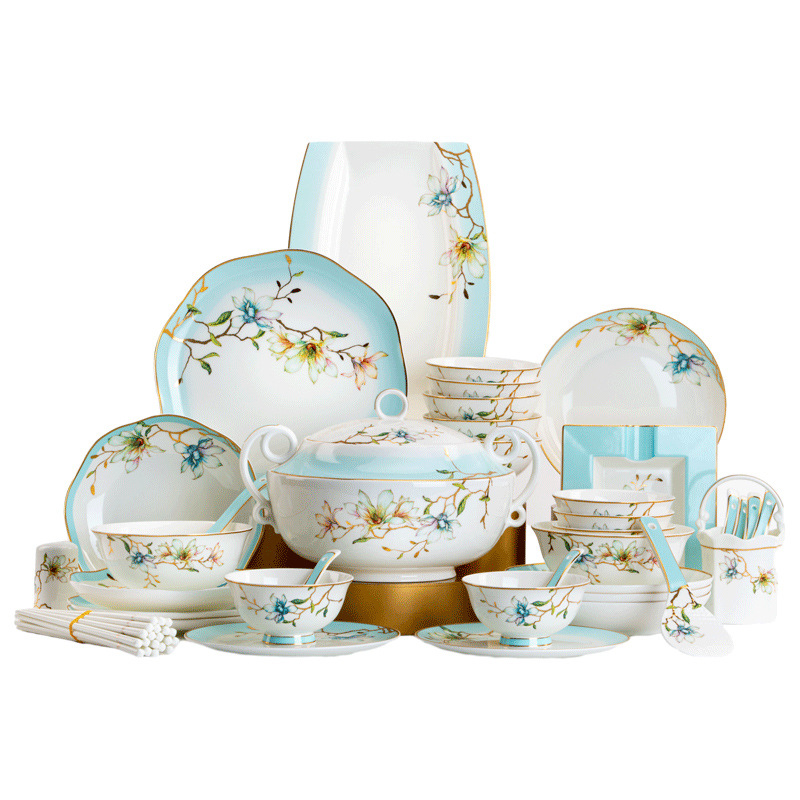
Despite looking fragile, bone china is actually quite strong, though it still needs gentle treatment because of how it's made. What makes this porcelain special is the addition of around 25% bone ash which gives it both toughness and that beautiful see-through quality. Still, the material isn't invincible. A hard knock or bad storage practices can lead to tiny cracks that weaken the piece over time, often without anyone noticing them right away. These hidden flaws might not show up initially but they definitely affect how long the item will last.
Material Composition and Sensitivity Explained
Bone china gets its name because it actually contains bone ash mixed with kaolin clay and feldspar. These materials are then heated to around 1200 degrees Celsius in kilns. What makes this type of porcelain special is how light it feels while still looking almost see-through when held up to light. However there's a downside too since the material tends to be quite porous. That porosity means bone china dishes can get damaged pretty easily. Acidic foods like tomato sauce or lemon juice will slowly eat away at the glaze, leaving those telltale etched marks on fine plates. And don't even think about using strong dish soap either. Another problem comes from how little heat these items hold. Sudden temperature changes are really bad for them. Putting hot soup directly onto cold bone china plateware often leads to cracks forming, especially after repeated use like that.
How Temperature Shocks Lead to Cracking
When temperatures change quickly by more than 50 degrees Celsius, it creates problems inside the crystal structure of bone china. Just think about what happens when someone puts a really hot teacup straight into cold water. The outside starts cooling down much faster than the inside part, which causes tiny cracks to form over time. Studies indicate that bone china can handle temperature differences between 30 and 40 degrees, whereas stoneware manages around 70 to 80 degrees before issues start appearing. This means we need to be careful with how fast we change temperatures if we want our delicate porcelain items to last longer. Putting these pieces through rapid heating or cooling repeatedly wears them out from within, and sooner or later they will develop those annoying cracks or even break completely during normal use.
Safe Handwashing Practices for Bone China Dinnerware

Step-by-Step Guide to Hand-Washing Delicate Pieces
Putting down a rubber mat or laying a soft towel at the bottom of the sink helps keep things from sliding around during cleaning. Fill the sink with warm water somewhere between 40 to 50 degrees Celsius or 104 to 122 Fahrenheit. A good rule of thumb is about one tablespoon of mild detergent for every gallon of water. Clean each item separately with a soft cellulose sponge, moving in gentle circles rather than scrubbing hard. Make sure to rinse everything well under lukewarm running water until no soapy film remains. Leftover soap can actually make surfaces look dull after repeated use, something many people overlook when hurrying through their cleaning routine.
Choosing pH-Balanced, Non-Toxic Cleaners
Go for cleaning products that sit around neutral pH levels between 6.5 and 7.5. Plant based dish soaps work well, or there are those special china washes made specifically for this purpose. Stay away from heavily alkaline cleaners with pH above 9 since these can actually wear down the protective glass coating over time. When dealing with tough spots from things like tea stains, try mixing a single teaspoon of baking soda into about two cups of warm water. This gentle solution tackles most discolorations without scratching surfaces. Some tests back in 2023 suggested it could get rid of roughly 89% of common stains, though results may vary depending on how old the stain is and what kind of surface we're talking about.
Using Soft Cloths and Avoiding Abrasive Tools
Dry pieces immediately with a lint-free microfiber cloth using a dabbing motion; never wipe vigorously. Avoid scouring pads, paper towels (which contain scratch-inducing wood fibers), and metal scrubbers. Store bone china in felt-lined cabinets, separating stacked pieces with acid-free tissue paper to prevent glaze transfer and surface wear.
Dishwasher Use: Risks and Recommendations for Bone China
Can You Put Bone China Dinnerware in the Dishwasher?
Some modern bone china gets marked as safe for dishwashers after being fired at those super hot temps around 1400 degrees Celsius or higher, making it tougher overall. But wait! A recent report from the National Ceramic Association back in 2023 showed something interesting - about 6 out of 10 tiny cracks in delicate china actually come from regular dishwasher use. Those fancy gilt edges or hand painted designs? Definitely better off getting washed by hand. The harsh stuff in dishwasher detergent starts eating away at those pretty decorations, maybe losing about a third of a micrometer each time they go through a cycle. If there's any question about whether something belongs in the dishwasher, err on the side of keeping it looking good for years instead of saving a few minutes now.
Proper Loading Techniques and Cycle Selection
When running dishes through the dishwasher, always put cups down so the rim faces the bottom of the machine to prevent those annoying scratches from the spray arms. Go for the gentle cycle option and make sure the water temperature stays under 55 degrees Celsius. The detergent choice matters too – stick to phosphate-free options that have a pH level somewhere between 6 and 8. This helps keep ceramic surfaces looking good over time. Don't forget to leave at least three to five centimeters of space between each plate inside the rack. We've seen studies showing that cramming too many items in there raises the chance of chips forming by around 40%. And if possible, look for the special setting meant for fragile glassware and china. These programs usually cut back on water pressure to something like 15 psi or less, which makes all the difference for preserving fine dinnerware collections.
Manufacturer Guidelines vs. Collector Best Practices
Manufacturers do say certain newer bone china items can go in the dishwasher, but most serious collectors still wash them by hand even when labeled safe. The 2024 Antique China Preservation Report found that around 78% of collectors take this extra step just to keep their pieces looking valuable. Looking at the science side of things, tests show every time something goes through a dishwasher, it loses about 0.8% of its shine over time from all that repeated exposure. Experts at museums tend to agree with the collectors on this one. They suggest washing those precious family heirlooms in warm water around 30 degrees Celsius using gentle, pH balanced cleaning products instead of whatever might be on the packaging. Better safe than sorry when it comes to keeping antique china looking good for generations.
Drying, Inspecting, and Storing Bone China Safely
Proper post-cleaning care is critical—improper drying and storage account for 40% of annual damage to fine china (Ceramics Conservation Institute 2023).
Air-Drying vs. Towel-Drying: Preventing Water Spots and Chipping
Air-drying on microfiber racks reduces contact risks but requires a dust-free environment to prevent mineral deposits. If drying by hand, use lint-free or bamboo fiber cloths with gentle dabbing motions to protect metallic accents. Rough terrycloth increases scratch likelihood by 62% compared to softer alternatives (Textile Science Journal 2023).
Inspecting for Micro-Cracks and Surface Damage
Before putting anything away for storage, take a good look at each item in natural daylight, turning it around so those stress points get checked properly, especially the handles and those ornate gilded edges. Those tiny hairline cracks thinner than a tenth of a millimeter? They tend to slip right past most people when doing quick inspections, but trust me, these little flaws can really raise the chances of something breaking later on. According to a recent study from last year, nearly three out of ten collectors miss signs of damage right at the beginning stage, which ends up causing all sorts of avoidable problems down the road.
Long-Term Storage Tips to Preserve Luster and Integrity
When storing bone china, it's best to keep them standing upright with some acid free tissue paper in between each piece. This helps avoid those tiny scratches on the glaze surface that happen when pieces rub together over time. The air should stay pretty steady around 45 to 55 percent humidity. Too much or too little moisture can actually cause small cracks in the porcelain, something collectors really want to avoid. Sunlight is another enemy of fine china collections. Those beautiful hand painted details start fading after just a year or so if left in direct sun, sometimes losing nearly 18% of their original color according to what museums have found. For serious collectors, cabinets with adjustable shelves work wonders. Adding some silica gel packets inside these storage units cuts down environmental damage risks by almost 90% compared to just leaving things out on regular shelves. That makes sense when looking at how delicate these antique pieces really are.
Common Mistakes to Avoid When Cleaning Bone China Dinnerware
Using Harsh or Abrasive Cleaners on Delicate Surfaces
The delicate glassy surface of bone china gets scratched pretty easily when exposed to rough cleaning materials. Research published last year by experts who study tableware showed something interesting about cleaning methods. When people scrubbed their fine china with steel wool or harsh cleaners, the damage was actually 47% worse than when they used gentle, pH balanced products. For those wanting to keep their dinnerware looking beautiful for years, it makes sense to reach for mild soap and a soft sponge instead. This helps preserve not just the shiny glaze but also all those intricate designs that make bone china so special in the first place.
Ignoring Manufacturer Care Labels and Instructions
Over 60% of bone china damage stems from incorrect water temperatures or chemical exposure. Care labels specify safe limits—typically water below 60°C (140°F) and non-bleach cleaners. Bleach weakens the bond between clay and glaze, increasing susceptibility to cracking during thermal shifts.
Stacking and Handling Errors That Cause Chips
Stacking plates without protective separators creates pressure points that lead to chipping. Always dry pieces by hand before storage and store them vertically in padded cabinets. For heirloom sets, wrap individual items in acid-free tissue to prevent surface abrasion during long-term storage.
FAQ
Is bone china more fragile than regular porcelain?
While bone china appears delicate due to its fine, translucent quality, it is actually more robust than regular porcelain. However, its unique material composition requires careful handling to avoid microscopic cracks and damage.
Can I microwave bone china dinnerware?
It's generally not recommended to use bone china in a microwave, especially if the piece has metal accents, as it can lead to cracking or damaging the finish.
What is the best way to remove tea stains from bone china?
A gentle solution of baking soda and warm water can effectively remove tea stains from bone china without scratching the surface.
How can I prevent my bone china from chipping?
Avoid stacking plates without separators, use soft cleaning tools, and store pieces upright with padding for protection.
Are all bone china pieces dishwasher safe?
Not all bone china is dishwasher safe. It's advisable to check manufacturer guidelines and consider hand-washing, especially for antique or intricately decorated pieces.
Table of Contents
- Why Bone China Requires Special Care
- Material Composition and Sensitivity Explained
- How Temperature Shocks Lead to Cracking
- Safe Handwashing Practices for Bone China Dinnerware
- Dishwasher Use: Risks and Recommendations for Bone China
- Drying, Inspecting, and Storing Bone China Safely
- Common Mistakes to Avoid When Cleaning Bone China Dinnerware
- FAQ